When we look at the world around us, from race to gender the identities are changing. As we envision the future, it can't work without inclusive design, and it makes us realize good design is not about visual aesthetics and trends. It's about taking a people-centered approach, creating functional, purposeful digital products that look beautiful and also solve problems while adding value by social inclusion and accessibility experience.
Digital empathy has always sparked innovation, audiobooks were invented for blind people so was the typewriter and the telephone and email were created keeping deaf people in mind. Pushing for more awareness and empowerment, designers and innovators have got accessibility to the fore, making the world equal for all.
Today, we see a rise in inclusive design among designers, brands, and businesses that have been working with the do-good design mindset. A mindset with which you not only improve the digital world for marginalized cultures but also focuses on how inclusive designs can impact the mass market.
In this blog post, we will be highlighting inclusive designs and developments with humanitarian solutions and non-compromising aesthetics.
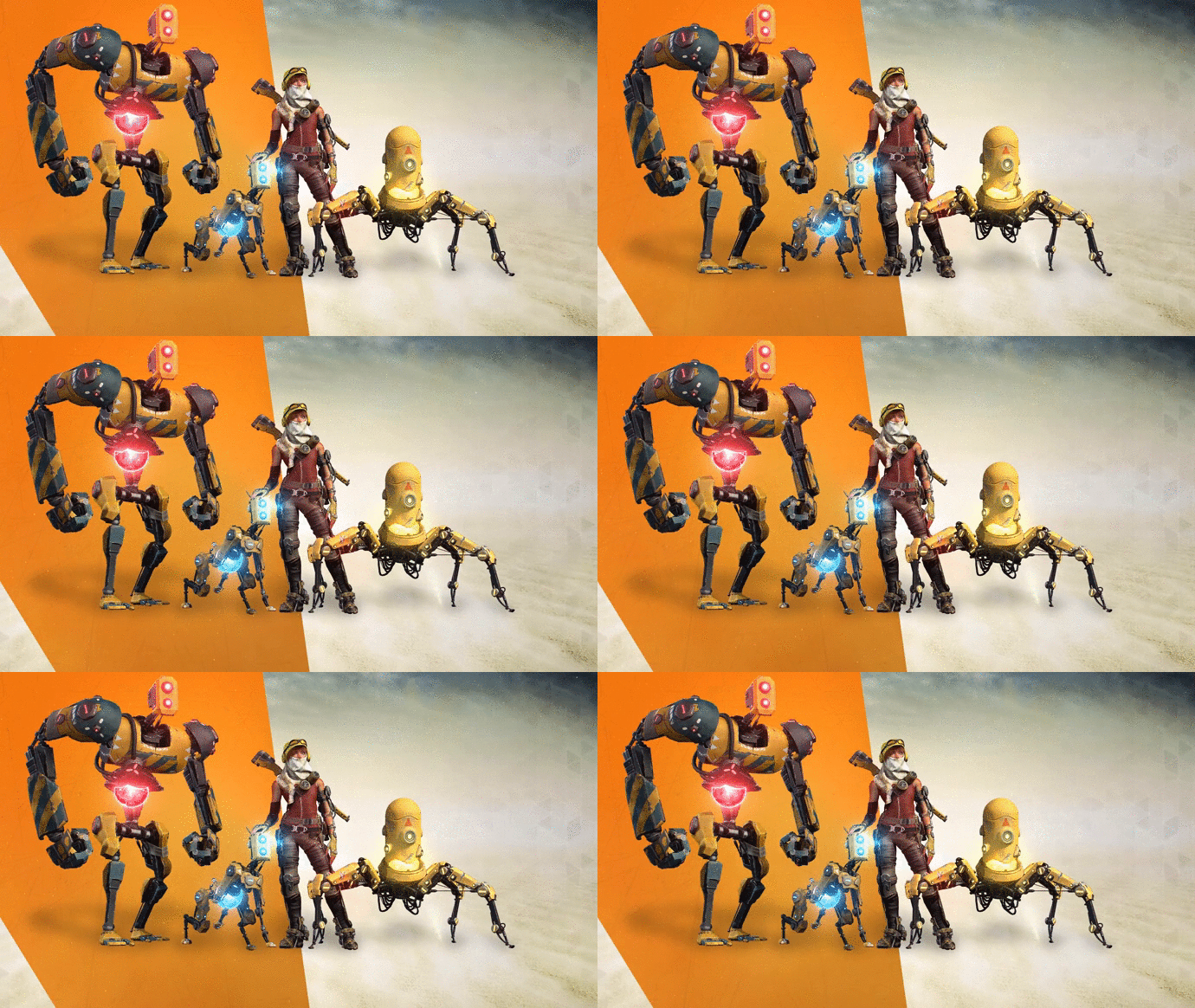
Due to large untapped demand, designers, innovators, and businesses are diving deep into accessible features and technology to give alternative experiences to all with the belief that everyone should have an equal and fair digital opportunity.
In Conclusion
Designing for everyone is creating for human diversity, inclusion, and equality. Everything that we design should be accessible and convenient for everyone to use.
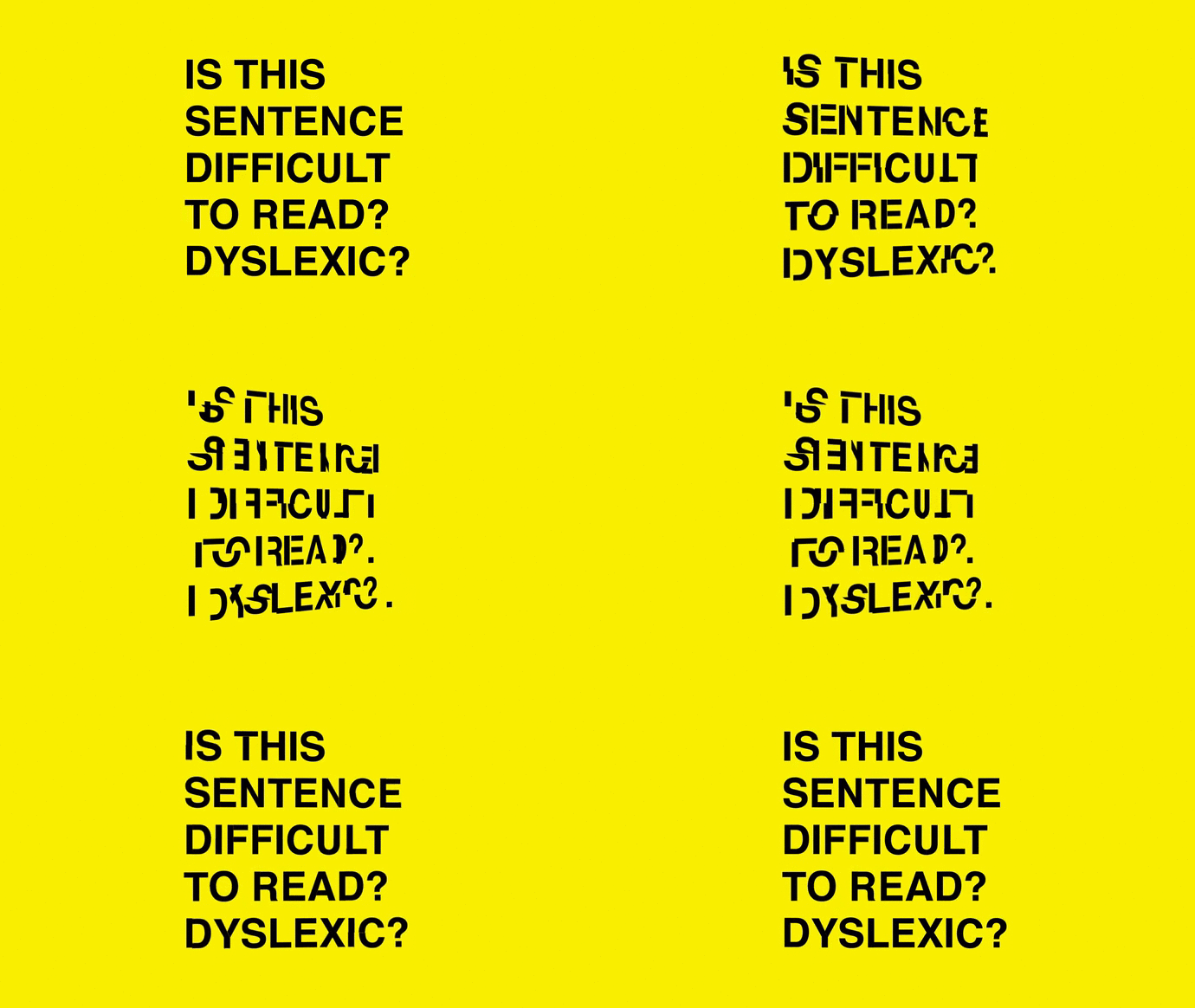
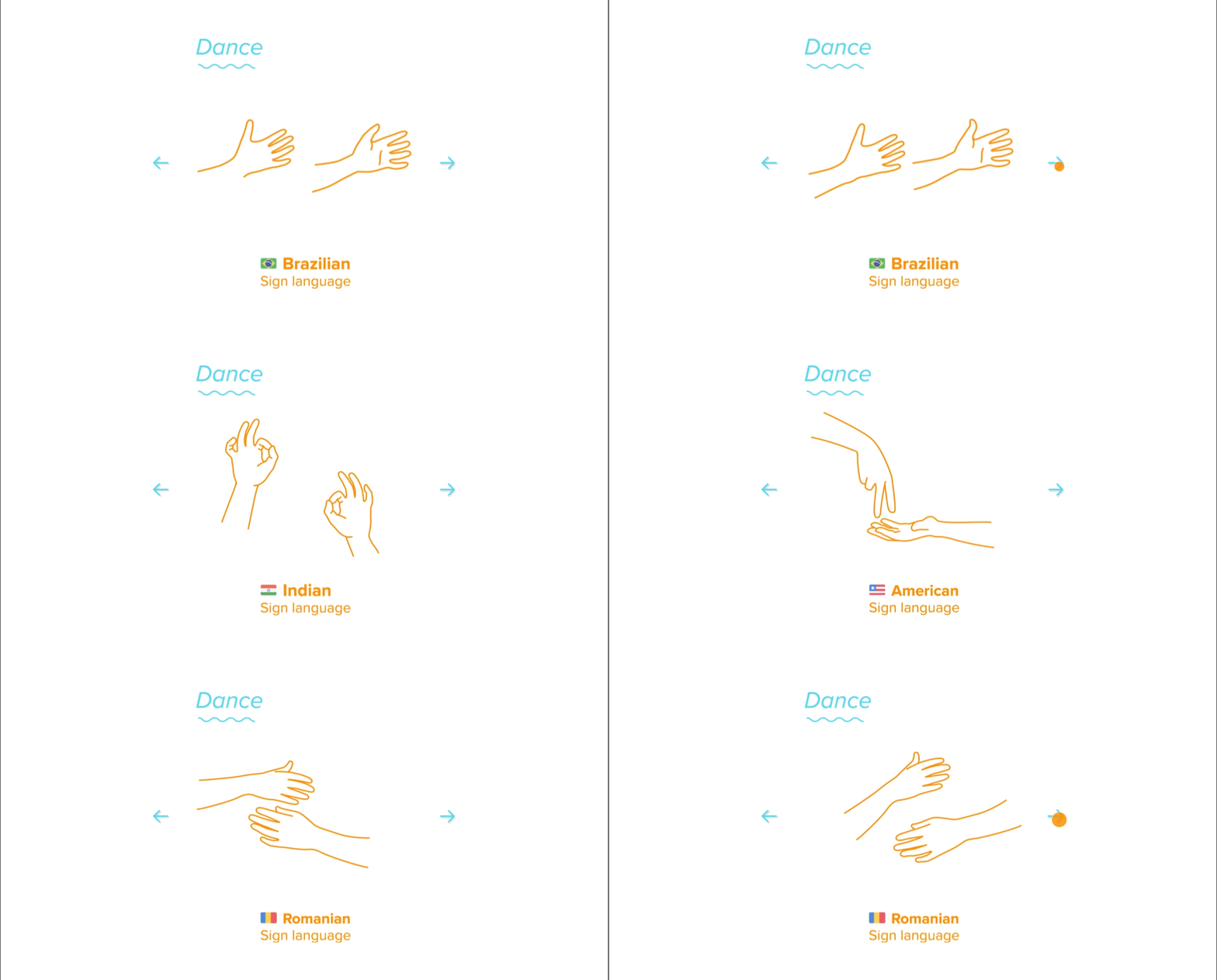
Creative visual representation helps and encourages empathy for dyslexia. The gamification of sign language and inclusive designs are a part of a change for people who are deaf or hard of hearing. With tech creating new possibilities for everyone, more and more brands and businesses are investing in innovative designs for a more inclusive internet experience.
Inclusive design shouldn't be a movement we have to make way for, it's always been a part of creating, innovating, and designing. Brands and businesses can use this as a powerful strategy and take a humanitarian approach to design which has the potential to go beyond niche to the mass market.
Driven by new ideas, and the need for inclusive design is the responsibility of each designer and developer to create digital experiences for good, by the good. We call it the democratic approach to design. Designers and developers should lead that change and challenge themselves through functional and thoughtful digital experiences. From our research, understanding we see that the democratization of the digital world has already begun. It's up to us to take the lead and be the change an inclusive world needs.