Design systems simplify human connections, scale & evolve digitally through systems.
Design systems are designed to simplify human connections systematically while evolving the legacy of user experience and growth for global technology brands. They are built with an inclusive approach to place future human needs at the centre of every effort.
They can be defined as a collection of pre-built, reusable assets — components, patterns, guidance, and code — that allow their users to build consistent digital experiences efficiently.
Systems
Value systems, as they are about tackling design problems in association.
Systems are about considering and creating versatile solutions that can be used repeatedly and consistently throughout a product. They help to avoid creating a different way to solve the same or similar problem every time you come across it.
Design systems are the result of a systematic approach to design. The components are built, deployed, maintained, and scaled. They are a harmonious package of design, code, guidelines, and documentation that is used to build consistent, on-brand, and efficient web products.
Purpose
Inviolable design systems hold a clear set of purposes behind them.
Technology needs to evolve, to regenerate, through a circular system that encourages coherency, long-term use of products, and a systematic workflow to survive with uncertainties. Design systems can shape the future of digital products, they open up new interdisciplinary ways of collaborating and creating.
Here are ten other reasons that demand the need for a design system.
Principles
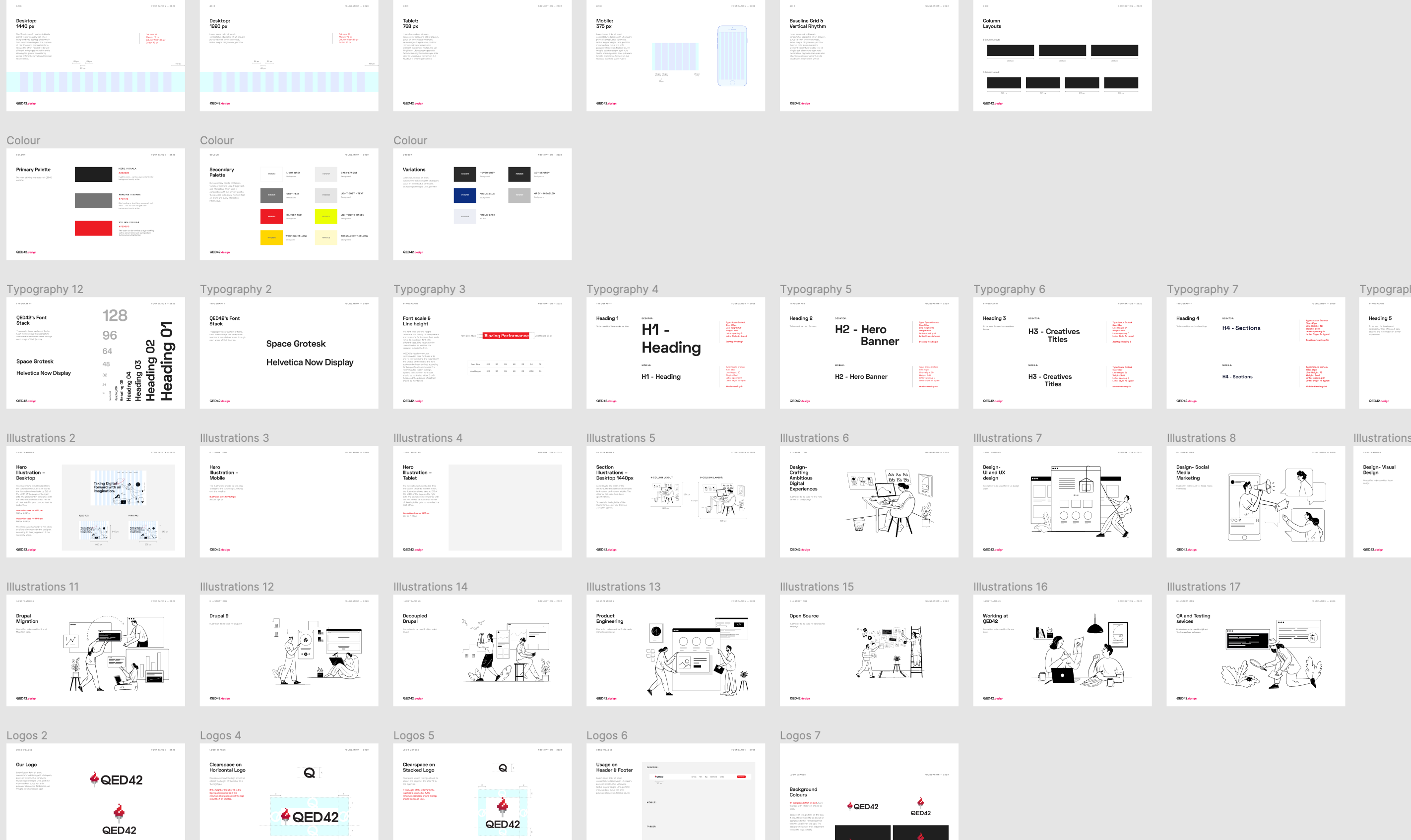
Design system principles are its foundation and simply a way of guiding its usage.
The principles of a design system can enable to stand out technology and design to elevate the lives of people and brands. These principles have the power to adapt and evolve, they establish the foundation for the creative processes. They help to effectively present the brand under the same design language.
The principles of a design system help teams with management and quick decision-making. These few simple principles guide the team toward rational solutions without much discussion.
Everyone who uses the design system should be aligned with its guiding principles. Teams work better when they are aligned with a common vision, set of standards, and a way of moving forward.
Reminder — Take a Coffee Break or just have some water maybe, Happy crafting!