Have you ever wondered how companies make sure their products or systems don’t shatter the rules? That’s where Compliance testing is like the last check of the rulebook.
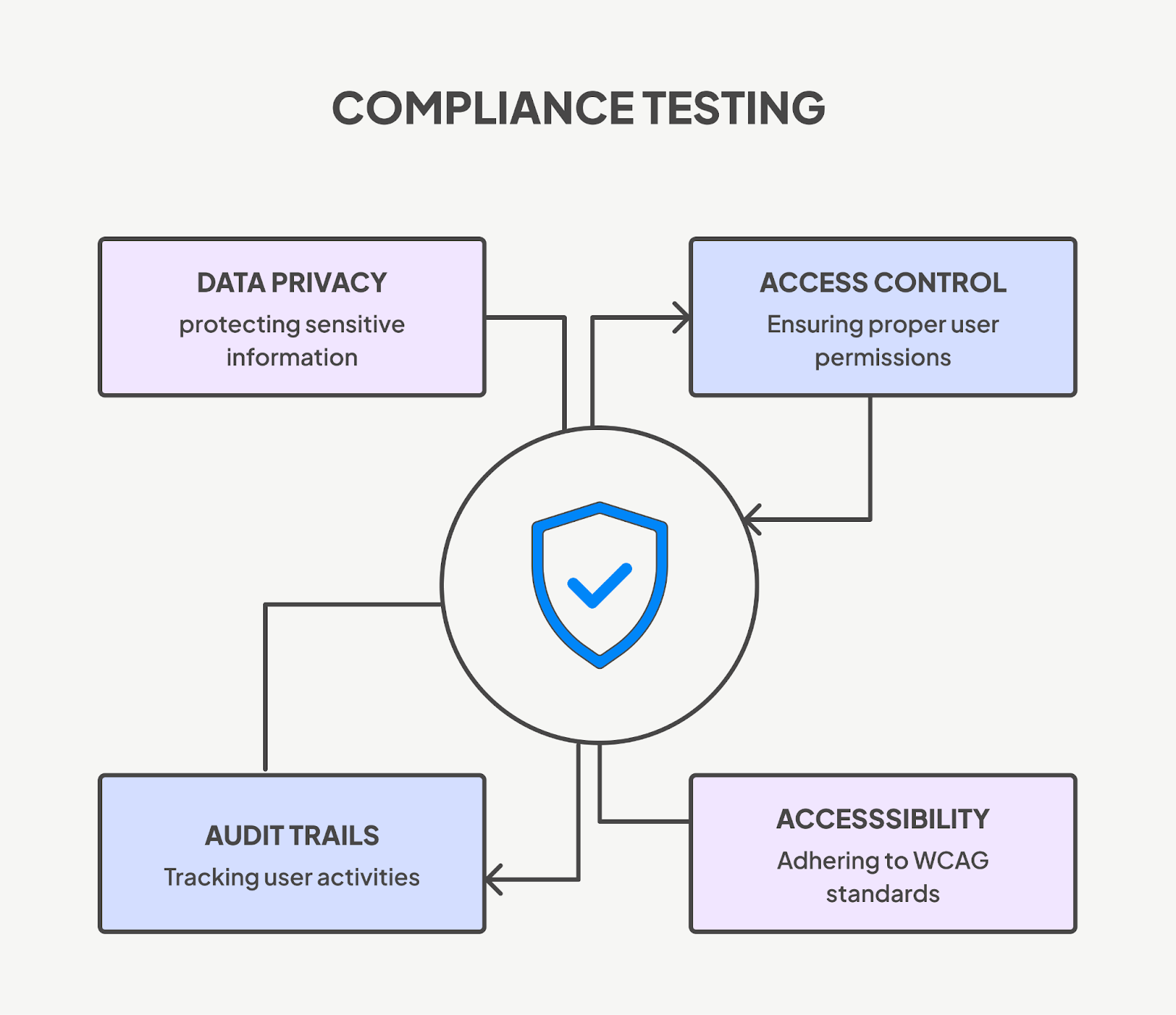
Compliance testing acts as the final safeguard, ensuring your product not only works but also meets the legal, security, and accessibility standards that protect businesses from costly risk. This procedure is all about making sure that everything follows the correct rules or industry standards, whether it's making sure that an app keeps your data safe under laws like GDPR or making sure that new software satisfies safety standards.
Keeping things safe, equitable, and reliable is more important than just checking boxes. Here are some reasons why creating safe and reliable digital products requires compliance testing.
Let's explore what compliance testing is, the requirements you must be aware of, how QA teams approach it, and how it could prevent some quite serious circumstances.
What is Compliance testing in web applications?
Compliance testing is the process of verifying that a web application complies with industry rules, external laws, internal security guidelines, and accessibility standards
It verifies that your application:
QA teams do this important testing to ensure functional, security, and performance testing to make sure nothing is overlooked before a product launches.
Types of Compliance standards you should know
Every industry and location has different requirements for compliance. These are a few of the more popular ones:
Key areas QA teams cover in Compliance testing
QA teams should mainly focus on applications that don't expose the business to legal or compliance risks.
Key focus areas include:
By integrating these tests at an early stage of development, QA prevents major issues from making it into production.
Tools for Compliance testing
In the market, there are many tools available that can be used for compliance Testing.
Some popular tools used by QA teams include:
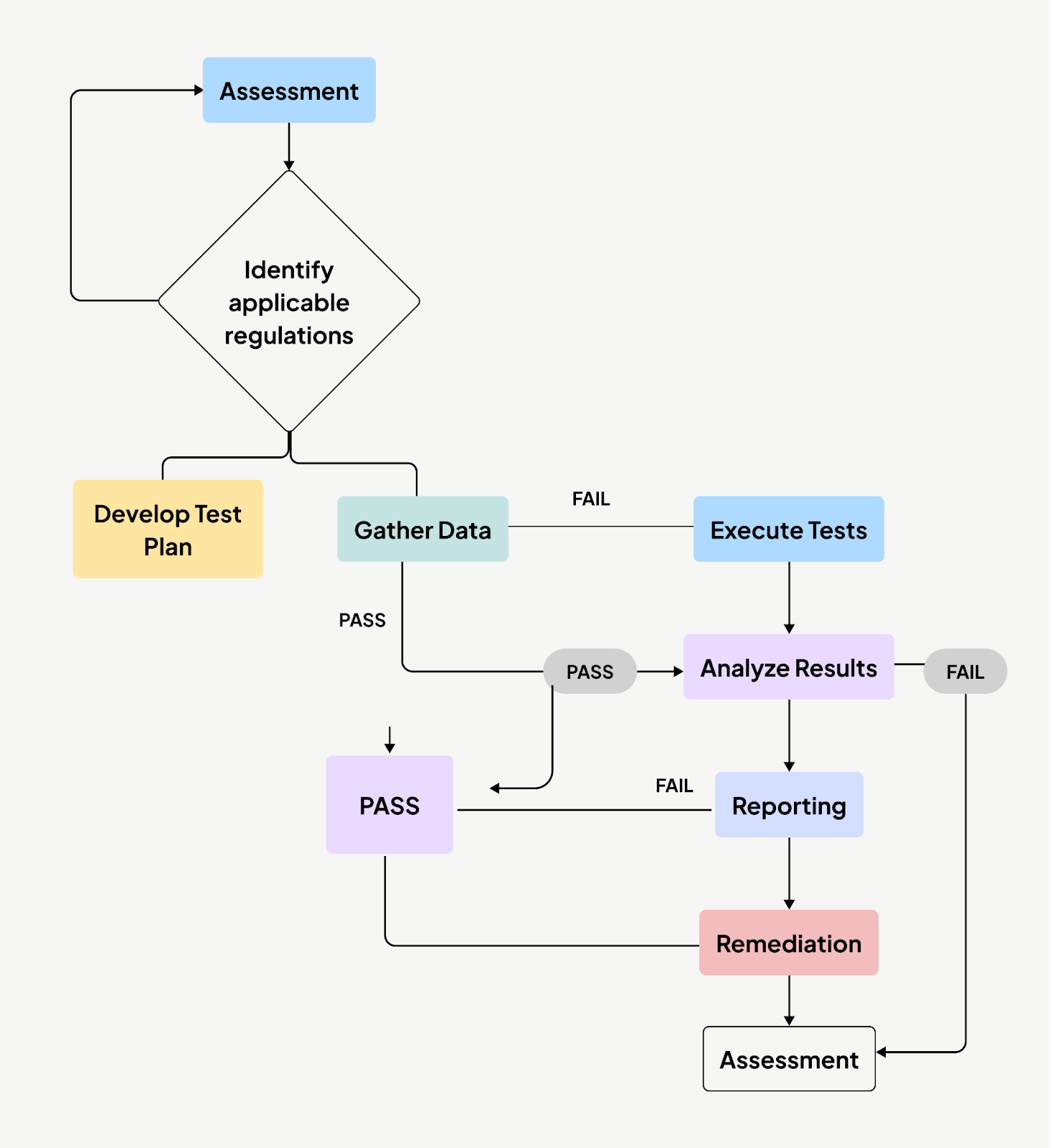
QA workflow
Real-world examples of Compliance testing in action
Here are a few examples of how compliance-focused testing can be done and has saved companies from major trouble:
1. Accessibility Compliance (WCAG 2.1)
Test case:
Observation: Images have alt text.
Risk: Missing alt text can lead to non-compliance, accessibility lawsuits, and the exclusion of users
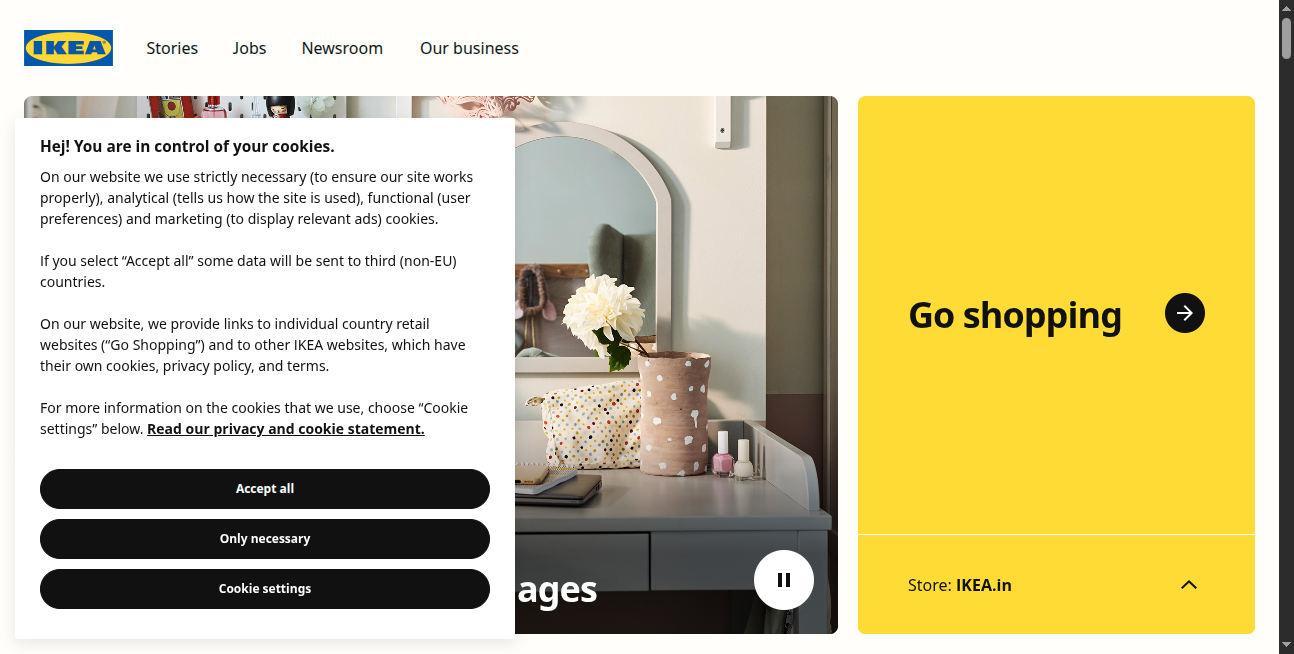
2. GDPR and Cookie Consent Compliance
Test case:
Observation:
Bug:
Risk: GDPR violation with potential fines up to €20M.
Screenshot:
3. Privacy Policy & Form Data Handling
Test case:
Observation:
Bug:
Risk: The absence of a consent checkbox and policy link can lead to data misuse, potential lawsuits, and loss of user trust.
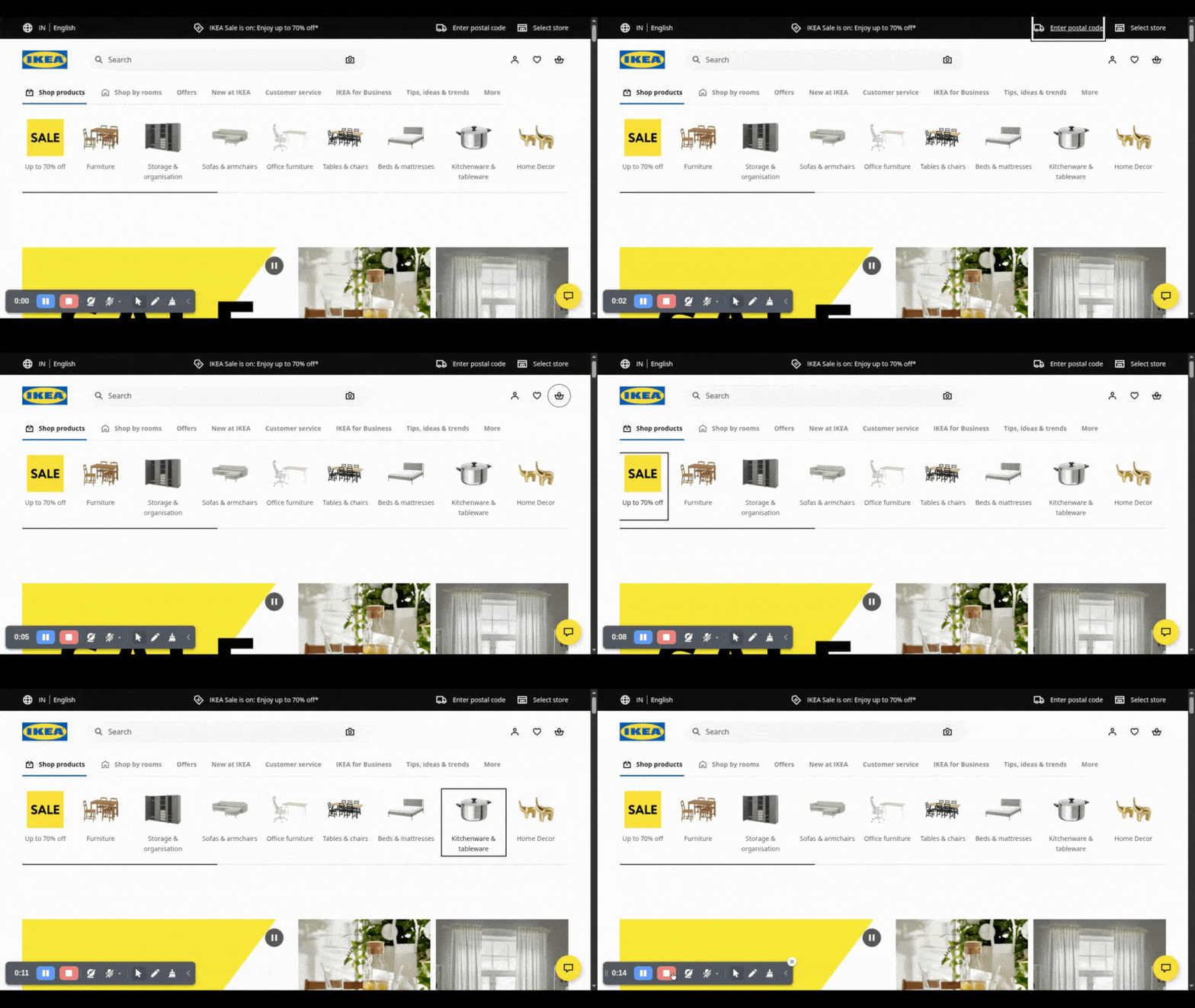
4. Keyboard Navigation and Screen Reader Support
Test case:
Observation:
Risk: Ineffective navigation may result in accessibility violations and exclude users with disabilities.
5. Security Headers & HTTPS
Test case:
Observation:
Risk: The absence of security headers may expose the application to vulnerabilities, including XSS and man-in-the-middle attacks
Screenshot:

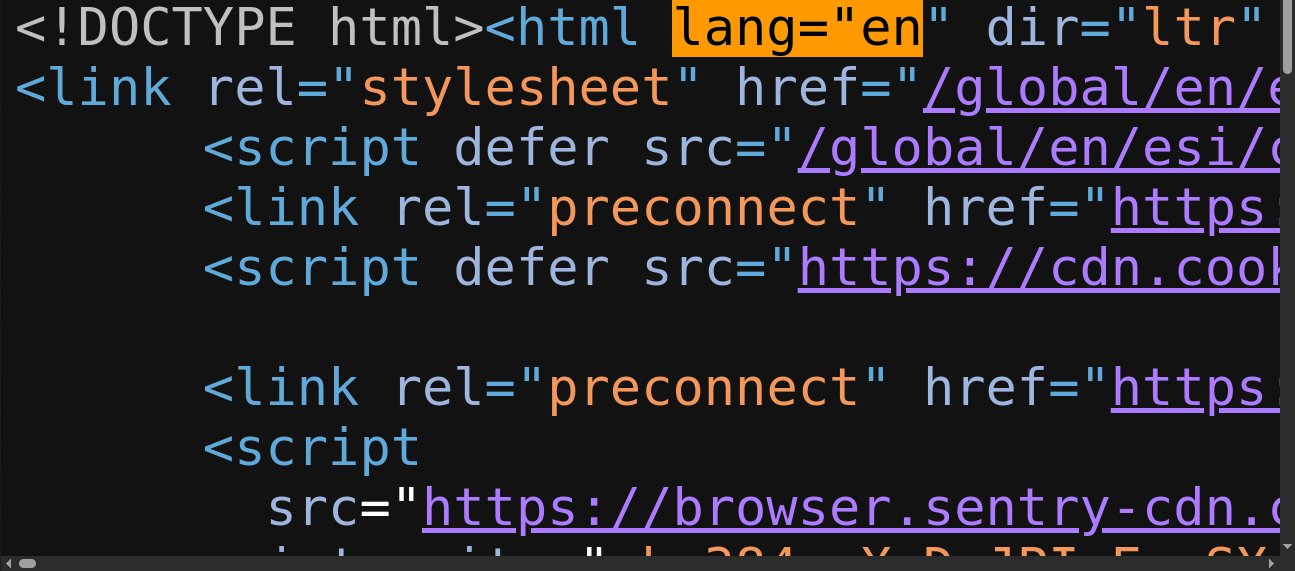
6. Language Declaration & HTML Validation
Test case:
Observation:
Risk: Missing Language attributes can lead to poor SEO and screen reader misinterpretation
Screenshot:
Best practices for Compliance testing
These are best practices if you want to make compliance testing an efficient part of the QA process.
Conclusion
In today’s digital economy, compliance is not optional — it’s a competitive advantage.
Products that prioritise compliance:
Compliance is ultimately about trust. User data is extremely valuable in today's world, and people are concerned about how their personal information is handled.
Compliance testing is crucial for this reason: it protects your platform from potential legal problems and ensures that users can trust it.
Make compliance testing an integral part of your QA strategy, and you’re not just following rules; you’re building trust and protecting your business.